Animals at Beccles Primary Academy
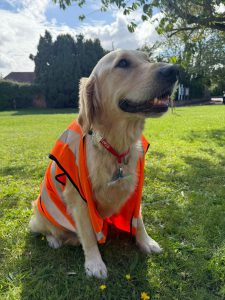
Research shows that pets can help build children’s empathy, responsibility and life skills. At Beccles Primary Academy we believe that our school animals help in so many more ways.
Benefits of having a school dog:
Mental Health & Wellbeing
- Stress reduction & mood enhancement: Interacting with a dog lowers cortisol levels, increases oxytocin, dopamine and serotonin, helping children feel calmer, happier, and less anxious.
- Improved emotional regulation & self-esteem: Therapy dog programs support emotional control, self-confidence, and prosocial behaviours such as empathy, cooperation, and kindness.
- Better attendance and engagement: Pupils in schools with therapy dogs often attend more regularly and report a stronger sense of belonging—factors linked to better mental wellbeing and school satisfaction.
- Calming school environment: Dogs contribute to a more relaxed and inclusive atmosphere, helping de-escalate tension and supporting positive social interaction across the school community.
Environment & School Climate
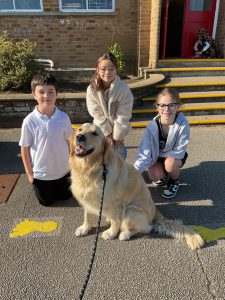
- Creates a family-like community: Having a dog in school fosters inclusion, shared care responsibilities, group cohesion, and a stronger class identity.
- Supports positive social dynamics: Students unite around the dog—talking about his care, showing responsibility, and in turn reshaping classroom roles and improving peer perceptions.
- Enhances staff wellbeing and school climate: Teachers and school staff also benefit from emotional uplift and reduced stress, which can improve retention and morale.
Reading & Literacy
- Non‑judgmental reading partner: Programs like Reading Education Assistance Dogs (R.E.A.D.) provide children a listener who doesn’t judge—reducing reading anxiety and encouraging persistence.
- Improved motivation and enjoyment: Many children report increased enthusiasm, confidence, and willingness to read when they read to a dog—it becomes a fun, safe space to practice literacy.
- Measurable gains in reading: Studies (e.g. Shaw 2013 with n=197; Levinson et al. 2017; Kirnan et al. 2016) show children reading to dogs made significant gains in oral fluency and reading behaviour, especially in younger readers.
We consider the welfare needs of our animals very seriously and have created a policy and risk assessments to ensure they have the best care throughout the year.
Animals in school Risk Assessment